Holy Days of Obligation
"I am the bread of life; whoever comes to me will never hunger,
and whoever believes in me will never thirst."
John 6: 35
According to the Precepts of the Church, all Sundays are obligatory for the faithful to participate in the Celebration of Mass.
The below dates are additional Holy Days of Obligation.
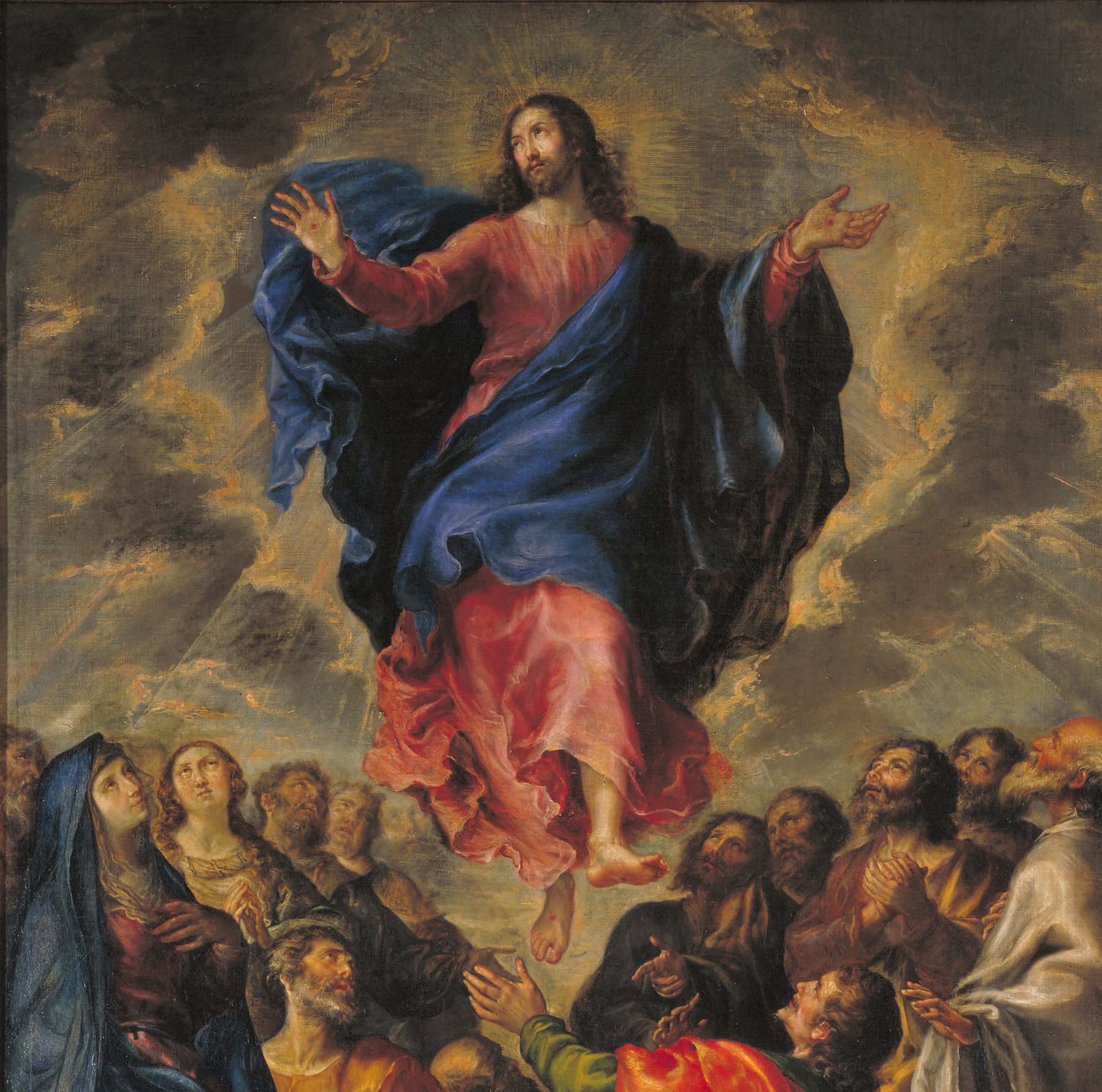

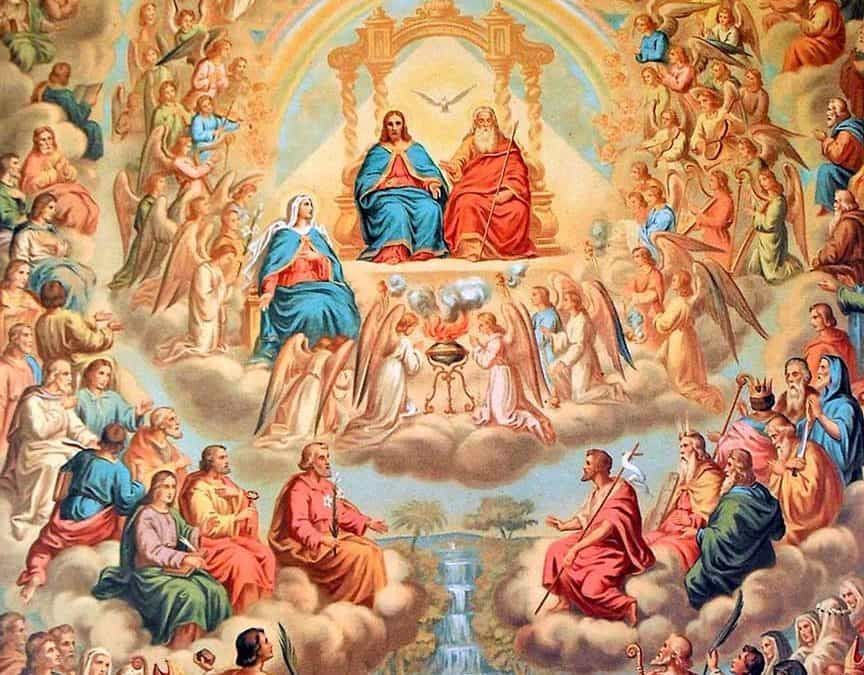
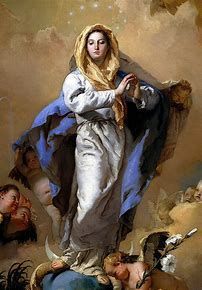
IMMACULATE CONCEPTION OF THE BLESSED VIRGIN MARY
Tuesday, December 8th is a Holy Day of Obligation in 2026... DISCOVER MORE
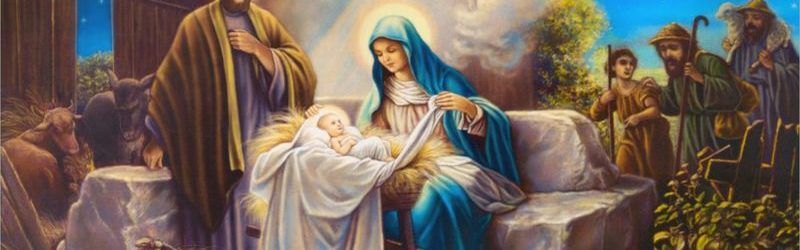
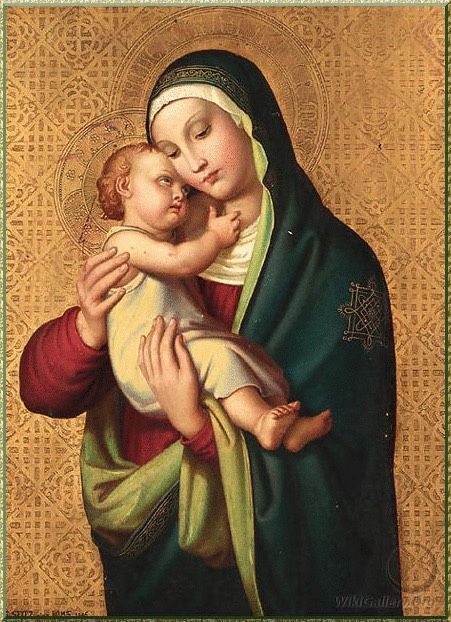
On Sundays and other holy days of obligation the faithful are bound to participate in the Mass.
-Canon 1247
Why We Have Holy Days
It’s part of human nature to set aside certain days to mark events or to honor people. On a personal level we celebrate birthdays and anniversaries. On a secular level we celebrate the founding of our country, birthdays of important people, and the contributions of certain groups such as veterans or laborers.
Holy Days of Obligation are important days in the Catholic Church that honor special events or special people. Throughout the year, there are specific feasts of Our Lord, Our Lady, and the saints that we observe as “solemnities.” On these days, Catholics are obliged to attend a holy day Mass on the day itself or a vigil Mass the evening before. That’s why these special days are called Holy Days of Obligation.
How Holy Days Got Started
There was never a time in the history of the Church when there weren’t holy days. The early Christians observed the Jewish holy days, which commemorated important events in Jewish history and tradition. As Christianity grew, observance of the Jewish holy days fell out of practice, and other special days that helped people to recall important events in the life of Jesus were established. Over time, holy days honoring the apostles, martyrs, and Our Lady were added. Holy days were often celebrated as festivals with special foods, music, processions, and customs. No one had to tell people they were obliged to participate in the feast day. The holy days were woven in the fabric of their lives as opportunities to renew and enrich their faith.
Throughout the Middle Ages, these feasts became so popular that each bishop established local holy days; some countries had dozens of feast days. It was in 1911 that Pope Pius X established eight official Holy Days of Obligation for the Universal Church, and two more holy days were added to the Church calendar in the 1917 Code of Canon Law.
Obligation vs. Celebration
Over time, the sense of obligation overtook the sense of celebration with many of these holy days. The idea of having to go to Mass anextra day during the week was something that we “had” to do, rather than something that we “wanted” to do. Part of the problem is that many Catholics no longer understood the reason for the holy day and how to make it special.
How to Celebrate Holy Days
If you are going to reclaim holy days, you have to
make them a priority. First, make sure you understand the meaning of the feast day. Then, you can find new ways to incorporate Catholic traditions into your observance of the day. Select above to view the background on each of the holy days, with ideas for how you can turn a day of “obligation” into a day of “celebration”.

Reclaiming Holy Days
No mechanisms in today’s society exist to support your holy day celebrations, but don’t be surprised if other people notice what you’re doing and ask you about it. There is a hunger in our world for spiritual meaning and purpose in life, a constant need to celebrate what is good and holy. By reclaiming Holy Days of Obligation, you may start a groundswell of interest and enthusiasm in your home, your parish, and your community.
-Our Sunday Visitor